



Yes, Susannah Keneda really pays her students to come to class. OK, not with real money, but her program, called Keneda Ka$h, is a big hit in her classroom. It started as a way for her to make consumer math more relevant, and it’s since grown into a full classroom economy.
Students earn “cash” for attendance and can get bonuses for things like bringing in extra Kleenex or attending college night at school. She has even figured out an easy way to tax students for their earnings—it should mimic the real world after all—before they can spend it. We asked Susanna to share how it works, and we think it’s pretty genius.
Q: Where did the idea for Keneda Ka$h come from?
This is my fourth year doing Keneda Ka$h. It started because consumer math is part of my curriculum, and I got tired of giving kids checkbook worksheets when most won’t even keep a checkbook. I thought, if school is their job, why not pay them to come? And that’s how the idea was hatched.
Q: How does the system work day-to-day?
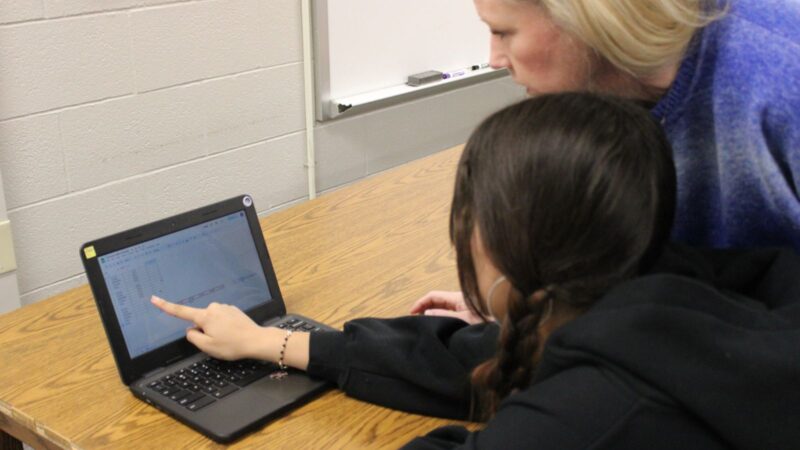
Every day, kids pay themselves a dollar. They use a Google spreadsheet I designed—it does all the math for them. They enter the date and mark T for tardy, P for present, or A for absent. If they’re absent, they don’t earn money. I wanted this to be all on them, not me.
Q: What kind of bonuses do you offer?
I teach mostly 8th and 9th graders, so I want to push them to try things outside the school day. Big bonuses include:
- $20 for coming to an open house with someone from home
- $50 for attending our district college night
- $5 for every box of Kleenex they bring
- $2 for wearing their ID, plus $5 if the whole class has IDs
- 50 cents for participating in spirit or dress-up days. (I’m pretty lenient—pajama pants count!)
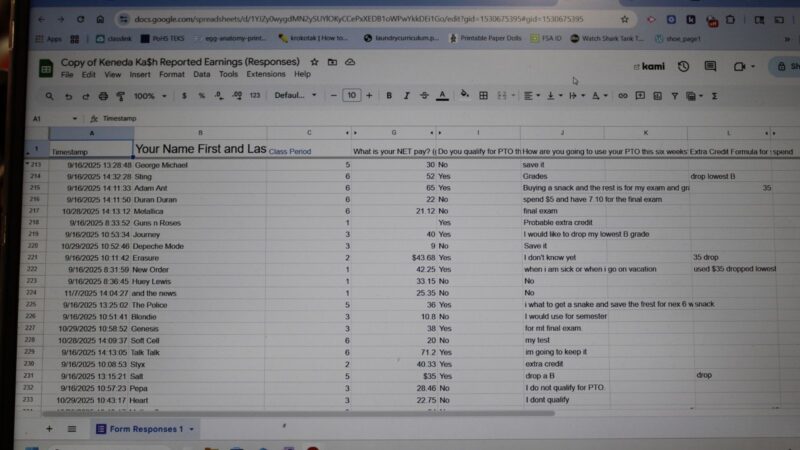
Q: Do you use real money? How do students track earnings?
Nope—no paper money, no coupons. Everything is in their Google spreadsheet. Most kids keep it open on their Chromebook so they can update it daily.
Q: What’s new this year?
Paid time off! When students reach $35 after net pay, they get to drop their lowest daily grade. It doesn’t come out of their total—it’s a freebie. I wanted them to experience what PTO means in the real world.
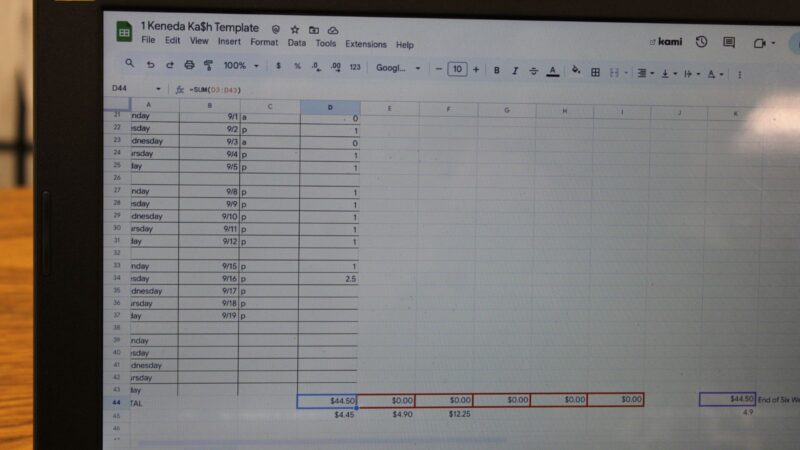
Q: How do taxes and the store work?
At the end of six weeks, they fill out a Google form and calculate net vs. gross pay. They pay:
- 20% in taxes
- 10% rental fee
- 5% medical insurance
Then they can shop at “Kmart” for snacks (usually $5 each) or convert cash into extra credit (2:1 ratio). At semester’s end, leftover cash can be used for exam points (4:1 ratio). My semester exam is 100 questions, so this really motivates them!
Q: What impact has Keneda Ka$h had?
Kids say, “I don’t want to lose my cash,” so they stay in class. Parents email me laughing about gross vs. net pay. And you’d be shocked how hard kids work for money that isn’t even real!
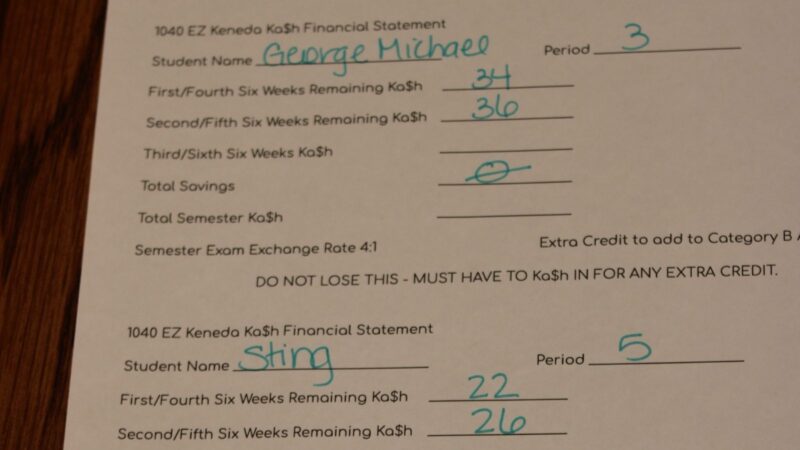
Q: What advice would you give other teachers who might want to try something similar?
Just jump in! Ask kids what rewards they want—usually food and extra credit. Adjust as you go. Keep the store open only on tally day so it feels special. And make sure rewards follow campus guidelines. Keneda Ka$h makes kids responsible for themselves, just like a real job.
