



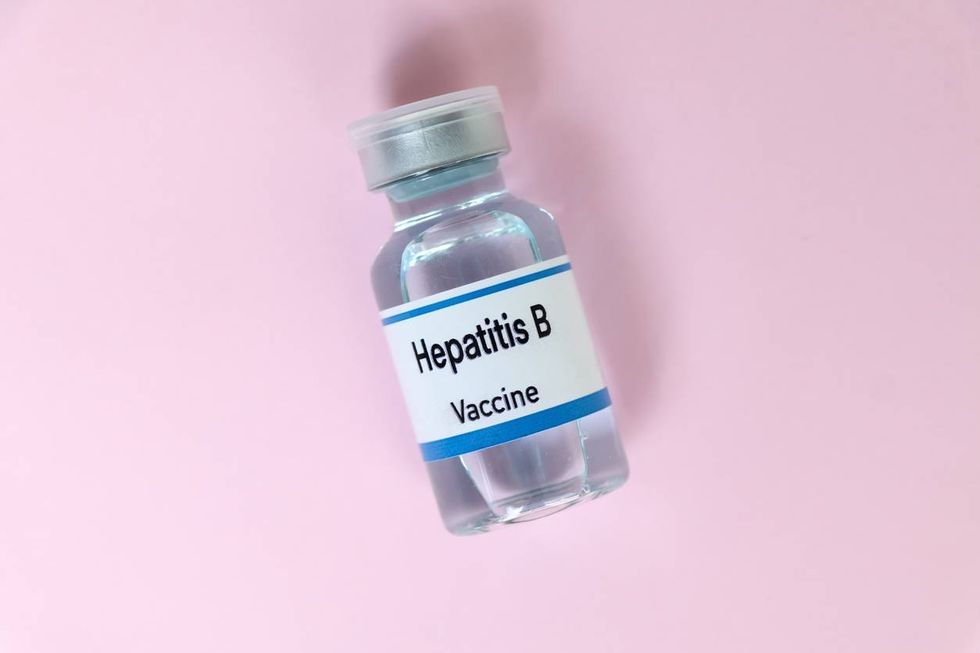
You’ve probably seen the hepatitis B vaccine in the news lately.
If you’re wondering what the buzz is about, let’s start with the basics.
Hepatitis B is a liver infection caused by the hepatitis B virus (HBV). The infection can be short-term or last for life, and it can cause severe complications such as liver failure, liver cancer and even death.
“Hepatitis B is a dangerous infection — it can be life-threatening for a person of any age who contracts it,” said Deborah L. Wexler, M.D., founder and executive director emerita of the Immunization Action Coalition.
The hepatitis B virus is highly contagious, so it spreads very easily through body fluids. Even sharing a toothbrush can transmit HBV. And the virus can also live on surfaces for days.
About half of people with hepatitis B don’t have symptoms, which means they can pass on the virus without even knowing they have it.
The great news is that hepatitis B is preventable, thanks to the vaccine. Since 1991, the recommendation has been to give the first of three doses of the hepatitis B vaccine to all newborns at birth. After the recommendation was implemented, hepatitis B infections in children decreased by 99%.
This is where the latest news comes in: Earlier this month, the CDC’s Advisory Committee on Immunization Practices (ACIP) voted to withdraw the recommendation to vaccinate every newborn for hepatitis B at birth (called the “universal birth dose”) and now recommends the birth dose only for newborns whose mothers test positive for the virus. For other newborns, ACIP now recommends that they should get the first dose of the vaccine “no earlier than two months of age.”
Wexler, who has spent much of her career helping implement the birth dose in the U.S., said rolling back the universal birth dose recommendation is dangerous for a few reasons.
For one, many pregnant people aren’t tested for hepatitis B, which puts their newborns at risk during childbirth.
When newborns and children up to 5 are infected, they often become lifelong carriers of the virus and are more likely to have serious health problems.
The best way to prevent hepatitis B infection is by getting vaccinated.
Here are 4 things you need to know about the hepatitis B vaccine.
1. The hepatitis B vaccine protects you for life.
Most people have life-long immunity after getting the hepatitis B vaccine. But you have to get all the doses for full protection.
The number of shots and the amount of time you have to wait between doses varies depending on the vaccine.
2. The hepatitis B vaccine is safe.
Decades of research have shown that the vaccine is safe and effective in protecting against hepatitis B and that side effects, if any, are mild.
3. The hepatitis B vaccine protects against all the different ways the virus is transmitted.
Hepatitis B is spread through contact with infected body fluids (saliva, vaginal fluids, semen, blood).
Most people are exposed to the virus through:
- Childbirth
- Sexual contact
- Sharing needles
But you can also contract hepatitis B off of infected surfaces. The vaccine protects against all types of exposure to the virus.
4. The hepatitis B vaccine at birth is the most effective way to prevent needless infections.
Waiting two months to give the hepatitis B vaccine opens up a two-month window for babies to get the virus when their immune systems are young and vulnerable. In addition, not all pregnant people are tested for active or chronic hepatitis B. In fact, in the U.S., an estimated 500,000 pregnant women are not tested each year, so their status is unknown at the time of delivery.
Protection for the future
Wexler said the vaccine is a matter of public safety and helps you and your loved ones — and really everyone — live free from chronic liver disease.
“[Without the universal birth dose], a lot of those babies will fall through the cracks. If there’s no hepatitis B result on the chart and they’re not vaccinated, then those children are at severe risk for hepatitis B from their mothers. So the universal birth dose is a safety net — and safety nets are what public health is about. We have the opportunity to eliminate hepatitis B from the United States — and from all over the world — by utilizing this vaccine,” Wexler said.
Resources
From Your Site Articles
Related Articles Around the Web
