

Close Menu
bkngpnarnaul
  • Home
  • Education
    • Biology
    • Chemistry
    • Math
    • Physics
    • Science
    • Teacher
  • E-Learning
    • Educational Technology
  • Health Education
    • Special Education
  • Higher Education
  • IELTS
  • Language Learning
  • Study Abroad

Subscribe to Updates

Please enable JavaScript in your browser to complete this form.
Loading
What's Hot

‘The pace is relentless’: How college leaders are adapting to an increasingly hectic job

January 24, 2026

AI Tools in Google Classroom You Don’t Want to Miss!

January 24, 2026

What Is Company Culture & How To Create Or Improve Yours?

January 24, 2026
Facebook X (Twitter) Instagram
Saturday, January 24
Facebook X (Twitter) Instagram Pinterest Vimeo
bkngpnarnaul
  • Home
  • Education
    • Biology
    • Chemistry
    • Math
    • Physics
    • Science
    • Teacher
  • E-Learning
    • Educational Technology
  • Health Education
    • Special Education
  • Higher Education
  • IELTS
  • Language Learning
  • Study Abroad
bkngpnarnaul
Home»Science»People, not glaciers, transported rocks to Stonehenge, study confirms
Science

People, not glaciers, transported rocks to Stonehenge, study confirms

adminBy adminJanuary 24, 2026No Comments4 Mins Read1 Views
Share Facebook Twitter Pinterest LinkedIn Tumblr Email WhatsApp Copy Link
Follow Us
Google News Flipboard Threads
People, not glaciers, transported rocks to Stonehenge, study confirms
Share
Facebook Twitter LinkedIn Pinterest Email Copy Link


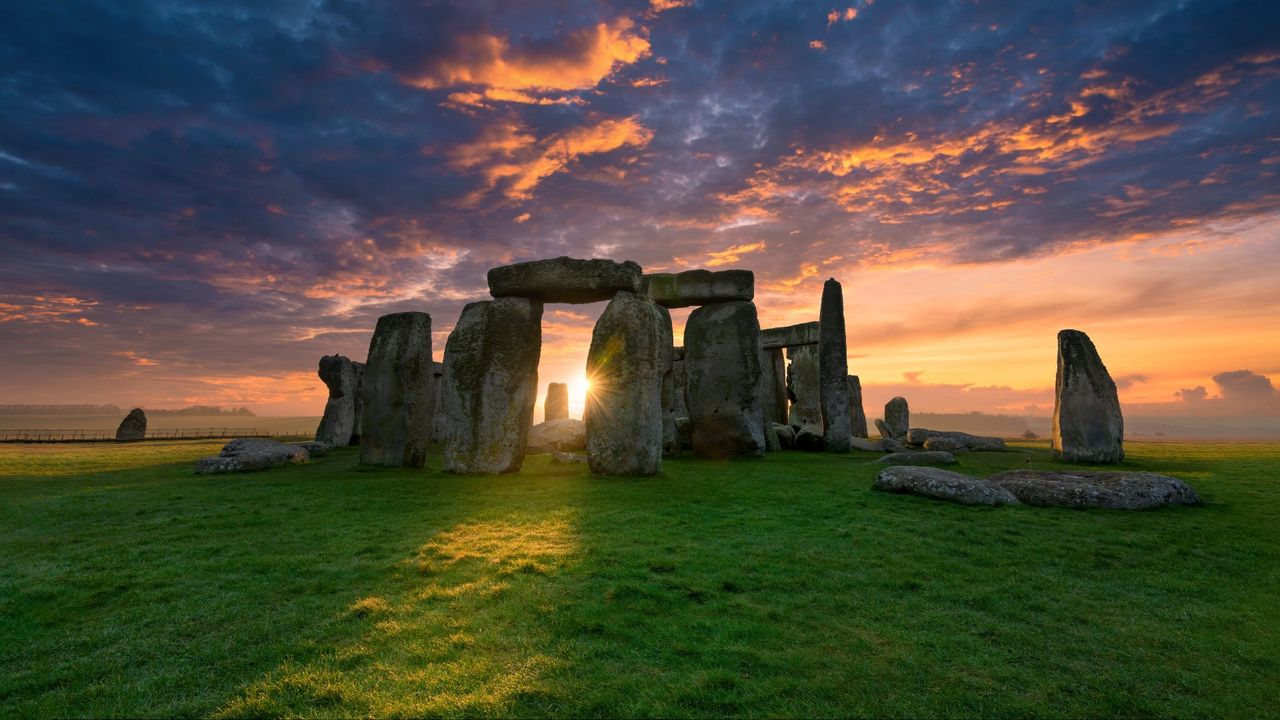
Humans — not glaciers — transported Stonehenge’s megaliths across Great Britain to their current location in southern England, a new study confirms.

Scientists have believed for decades that the 5,000-year-old monument’s iconic stones came from what is now Wales and even as far as Scotland, but there is still debate as to how the stones arrived at Salisbury Plain in southern England.

Now, an analysis of microscopic mineral grains from rivers around Stonehenge has revealed that glaciers didn’t reach into the region during the last ice age (2.6 million to 11,700 years ago), refuting an idea known as the “glacial transport theory” that suggests Stonehenge’s bluestones and 6.6-ton (6 metric tons) Altar Stone were delivered by ice sheets to Salisbury Plain. The new study was published Jan. 21 in the journal Communications Earth and Environment.


You may like

“While previous research had cast doubt on the glacial transport theory, our study goes further and applies cutting-edge mineral fingerprinting to trace the stones’ true origins,” study authors Anthony Clarke, a research geologist at Curtin University in Australia, and Christopher Kirkland, a professor of geology also at Curtin University, wrote in The Conversation.

Stonehenge’s bluestones, so called because they acquire a bluish tinge when wet or freshly broken, are from the Preseli Hills in western Wales, meaning people likely dragged them 140 miles (225 kilometers) to the site of the prehistoric monument. More remarkable still, researchers think the Altar Stone inside Stonehenge’s middle circle came from northern England or Scotland, which is much farther away — at least 300 miles (500 km) — from Salisbury Plain and may have required boats.

The glacial transport theory is a counterproposal to the idea that people moved the stones from elsewhere in the U.K. to build the monument on Salisbury Plain, instead using stones that had already been transported there by natural means. However, as Stonehenge’s rocks show no signs of glacial transport, and the southern extent of Great Britain’s former ice sheets remain unclear, archaeologists have disputed the idea.

To investigate further, the researchers behind the new study used known radioactive decay rates to date tiny specks of zircon and apatite minerals left over from ancient rocks in river sediments around Stonehenge. The age of these specks reveals the age of rocks that once existed in the region, which, in turn, can provide information about where these rocks came from.

Get the world’s most fascinating discoveries delivered straight to your inbox.

Different rock formations have different ages, so if the rocks that became parts of Stonehenge were dragged across the land by glaciers, they would have left these tiny traces around Salisbury Plain that could then be matched with rocks in their original locations.

The researchers analyzed more than 700 zircon and apatite grains but found no significant match for rocks in either western Wales or Scotland. Instead, most of the zircon grains studied showed dates between 1.7 billion and 1.1 billion years ago, coinciding with a time when much of what is now southern England was covered in compacted sand, the researchers wrote in The Conversation. On the other hand, the ages of apatite grains converged around 60 million years ago, when southern England was a shallow, subtropical sea. This means the minerals in rivers around Stonehenge are the remnants of rocks from the local area, and hadn’t been swept in from other places.

The results suggest glaciers didn’t extend as far south as Salisbury Plain during the last ice age, excluding the possibility that ice sheets dropped off the megaliths of Stonehenge for ancient builders to subsequently use.

“This gives us further evidence the monument’s most exotic stones did not arrive by chance but were instead deliberately selected and transported,” the researchers wrote.

Clarke, A. J. I., & Kirkland, C. L. (2026). Detrital zircon–apatite fingerprinting challenges glacial transport of Stonehenge’s megaliths. Communications Earth & Environment, 7(1). 


Stonehenge quiz: What do you know about the ancient monument?


Source link

confirms glaciers People rocks Stonehenge Study transported
Share. Facebook Twitter Pinterest LinkedIn Tumblr Email WhatsApp Copy Link
thanhphuchoang09
admin
  • Website

Related Posts

Study Abroad

Best Abroad Study Consultants in Hyderabad

January 23, 2026
Science

A black hole ‘feeding frenzy’ could help explain a cosmic mystery uncovered by the James Webb Space Telescope

January 23, 2026
Science

Japanese snow monkeys get more than just relief from hot springs

January 22, 2026
Science

Super Savings on This Unique Air Fryer That Cooks Food in Heatproof Glass

January 21, 2026
Science

This tool-using cow defies expectations for bovine braininess

January 20, 2026
Science

NASA’s Artemis II mission to the moon is inching toward the launch pad

January 19, 2026
Add A Comment
Leave A Reply Cancel Reply

You must be logged in to post a comment.

Top Posts

Announcing the All-New EdTechTeacher Summer Learning Pass!

May 31, 202555 Views

Improve your speech with immersive lessons!

May 28, 202553 Views

Weekly Student News Quiz: National Guard, Taylor Swift, Comets

October 13, 202550 Views

What Helps Nerve Pain in Legs After Back Surgery?

October 13, 202548 Views
Don't Miss

Best Abroad Study Consultants in Hyderabad

By adminJanuary 23, 20260

Here are the most in-demand services that help students confidently pursue overseas education:1. Career Counseling…

AIFS Abroad Student Spotlight: Molly’s Fall Semester in Prague

January 22, 2026

Top 10 Abroad Education Consultants in Hyderabad

January 19, 2026

AIFS Abroad Student Spotlight: Valeria’s Summer in Madrid, Spain 

January 18, 2026
Stay In Touch
  • Facebook
  • Twitter
  • Pinterest
  • Instagram
  • YouTube
  • Vimeo

Subscribe to Updates

Please enable JavaScript in your browser to complete this form.
Loading
About Us
About Us

Welcome to Bkngpnarnaul. At Bkngpnarnaul, we are committed to shaping the future of technical education in Haryana. As a premier government institution, our mission is to empower students with the knowledge, skills, and practical experience needed to thrive in today’s competitive and ever-evolving technological landscape.

Our Picks

‘The pace is relentless’: How college leaders are adapting to an increasingly hectic job

January 24, 2026

AI Tools in Google Classroom You Don’t Want to Miss!

January 24, 2026

Subscribe to Updates

Please enable JavaScript in your browser to complete this form.
Loading
Copyright© 2025 Bkngpnarnaul All Rights Reserved.
  • About Us
  • Contact Us
  • Disclaimer
  • Privacy Policy
  • Terms and Conditions

Type above and press Enter to search. Press Esc to cancel.